Vietnam Power Plan 2026: Ensuring Supply for 10% GDP Growth
MOIT Approves National Power System Operation Plan for 2026
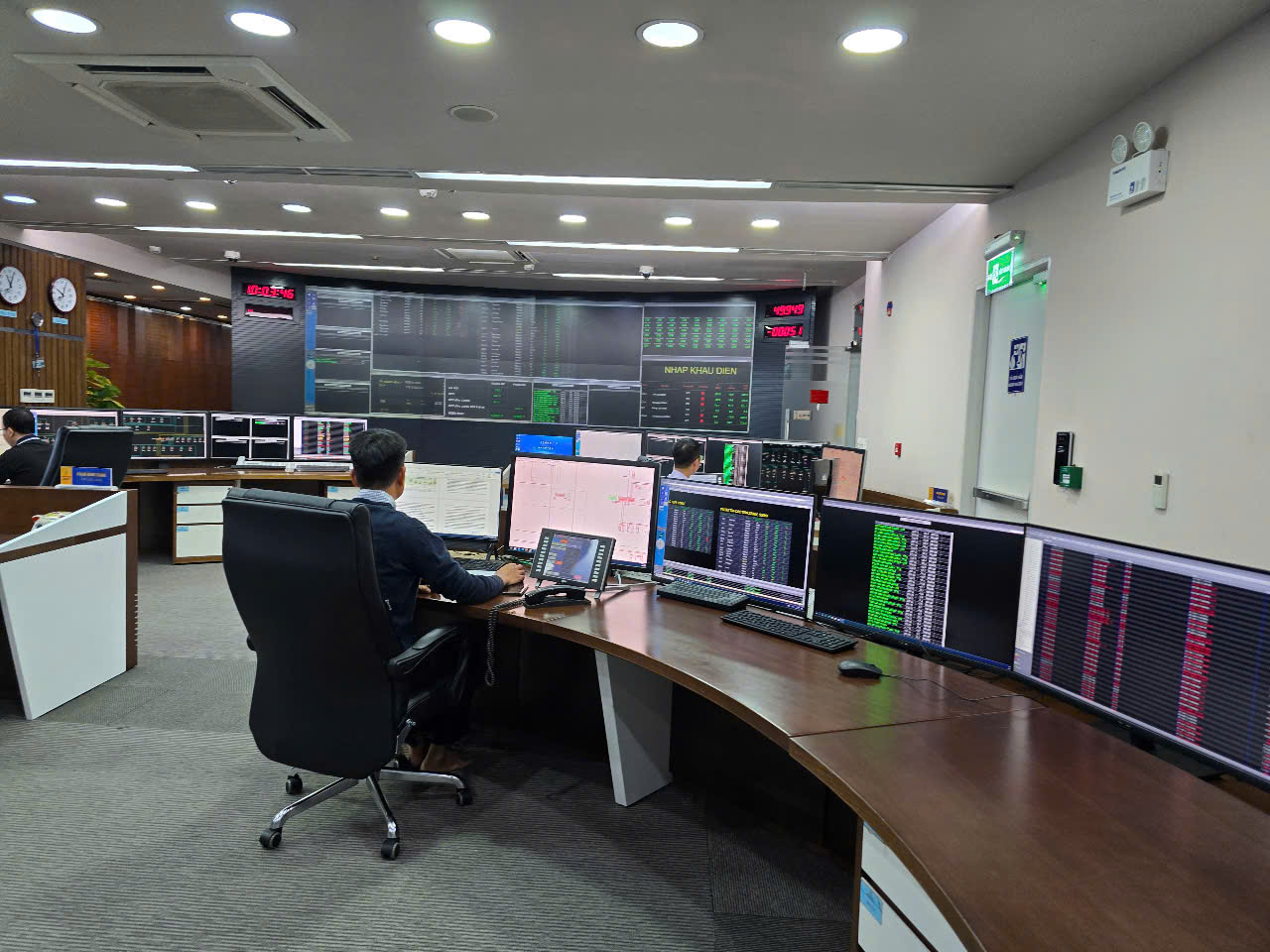
To ensure units proactively build specific plans guaranteeing electricity supply for socio-economic development needs and people’s livelihoods in 2026, on November 28, 2025, the Ministry of Industry and Trade (MOIT) issued Decision No. 3477/QD-BCT approving the National Power System Operation Plan (Electricity Supply and National Power System Operation Plan) for 2026.
Aiming to meet the GDP growth target of 10% or higher in 2026, based on the actual electricity load demand growth in 2025 and forecasts/evaluations of input factors (load demand, hydrological situation, fuel supply capability, power source progress, power grid for 2026), MOIT approved the National Power System Operation Plan for 2026. This includes the Base Scenario, Operational Scenario, and Contingency Operational Scenario for dry season peak months to ensure flexibility in directing electricity supply in 2026 amidst complex and unpredictable climate change developments.

Within this framework:
- Coal, Hydropower, and Gas Turbine sources continue to play an important role in ensuring electricity supply for the national power system in 2026.
- Renewable Energy sources are mobilized according to generation capability, suitable with the technical constraints of the power system to meet load demand.
Outlook and Challenges According to the approved scenarios, electricity supply for socio-economic development and daily life needs in 2026 will basically be ensured. However, MOIT assesses that 2026 will continue to see many unpredictable factors and potential adverse situations causing difficulties in ensuring electricity supply, such as:
- Some large power sources entering operation later than planned.
- Unfavorable hydrological developments.
- Declining gas supply for power generation from existing sources; new gas sources lagging behind schedule.
- Increased coal demand for power generation leading to high coal import demand.
- Overlapping incidents at power plants.
Key Tasks and Responsibilities To proactively ensure electricity supply in 2026, under Decision No. 3477/QD-BCT, the Minister of Industry and Trade assigned specific tasks and responsibilities to units, including the following main tasks:
1. National Power System and Market Operation Company Ltd. (NSMO): Monthly review, update, and report to MOIT (via the Electricity Regulatory Authority of Vietnam, Department of Oil, Gas and Coal) and announce regulations on the National Power System Operation Plan for the next month and remaining months of 2026 (including primary fuel demand for power production). This must strictly follow load growth developments, weather conditions (temperature, hydrology), reservoir/inter-reservoir operation procedures approved by competent authorities, power system and market operation conditions, and agreements on output/capacity in PPAs, ensuring national power system safety and benefits.

2. Vietnam Electricity (EVN), Vietnam National Energy Group, Vietnam National Coal – Mineral Industries Holding Corporation Limited (Vinacomin):
- Ensure sufficient supply of coal, gas, and oil fuels.
- Ensure high readiness and availability of power generation units.
- Accelerate investment and construction of power projects in the approved plan to release capacity for power sources and reduce load for fully loaded/overloaded lines and transformers.
- Focus on key Northern transmission projects: 500 kV Nho Quan – Phu Ly – Thuong Tin line; Capacity upgrade of 500 kV Hoa Binh and Pho Noi Substations; 500 kV Thai Binh and Bac Ninh Substations.
3. Vietnam National Energy Group, Petrovietnam Gas Corporation (PV GAS): Implement synchronous solutions in the gas supply plan implementation process, prioritizing gas mobilization for power production to meet gas usage demand for generation.
4. Vinacomin, 19th Corps – Ministry of National Defense: Formulate coal production and supply plans to prioritize sufficient, continuous coal supply, ensuring volume, quality, and correct types for coal-fired thermal power plants according to signed contract terms.
5. Power Generation, Transmission, and Distribution Units: Ensure plans related to maintenance and servicing so that generation units and grid equipment have the highest readiness to meet electricity demand during the year; absolutely ensure no incidents occur due to subjective causes.
6. Power Units: Continue to promote propaganda on economical and efficient electricity use in all fields from production, business to daily life, especially during peak hours, to contribute to reducing pressure on the national power system during the hot season.
7. Demand Side Management:
- Continue effectively implementing electricity load demand management programs and load adjustment programs.
- Promote the development of rooftop solar power, especially self-produced and self-consumed rooftop solar.
- Focus on promoting load shifting and preparing load regulation/adjustment plans; mobilize customer diesel generators to respond when necessary, contributing to meeting load demand on extreme days during the 2026 dry season peak period.
8. Functional Units under the Ministry: Focus on performing state management functions well; regularly urge, inspect, and supervise the implementation situation of power projects to timely propose solutions ensuring progress according to approved planning.
9. Departments of Industry and Trade (Provinces/Cities): Coordinate with Power Units to propagate and supervise electricity saving implementation; advise Provincial People’s Committees to deploy Electricity Demand Management Programs; supervise electricity supply and resolve customer complaints in the area.
10. Enterprises and Electricity Customers: Actively apply electricity saving solutions and efficient use in all fields, especially during peak hours, to reduce pressure on the national power system during the hot season.
The Ministry of Industry and Trade appreciates the support and coordination of news agencies and the press recently. MOIT looks forward to continued active coordination in disseminating information related to electricity production/business and system operation, so that people and economic sectors join hands in ensuring sufficient electricity for the country’s socio-economic development. Additionally, strengthen propaganda for customers to use electricity economically and efficiently.